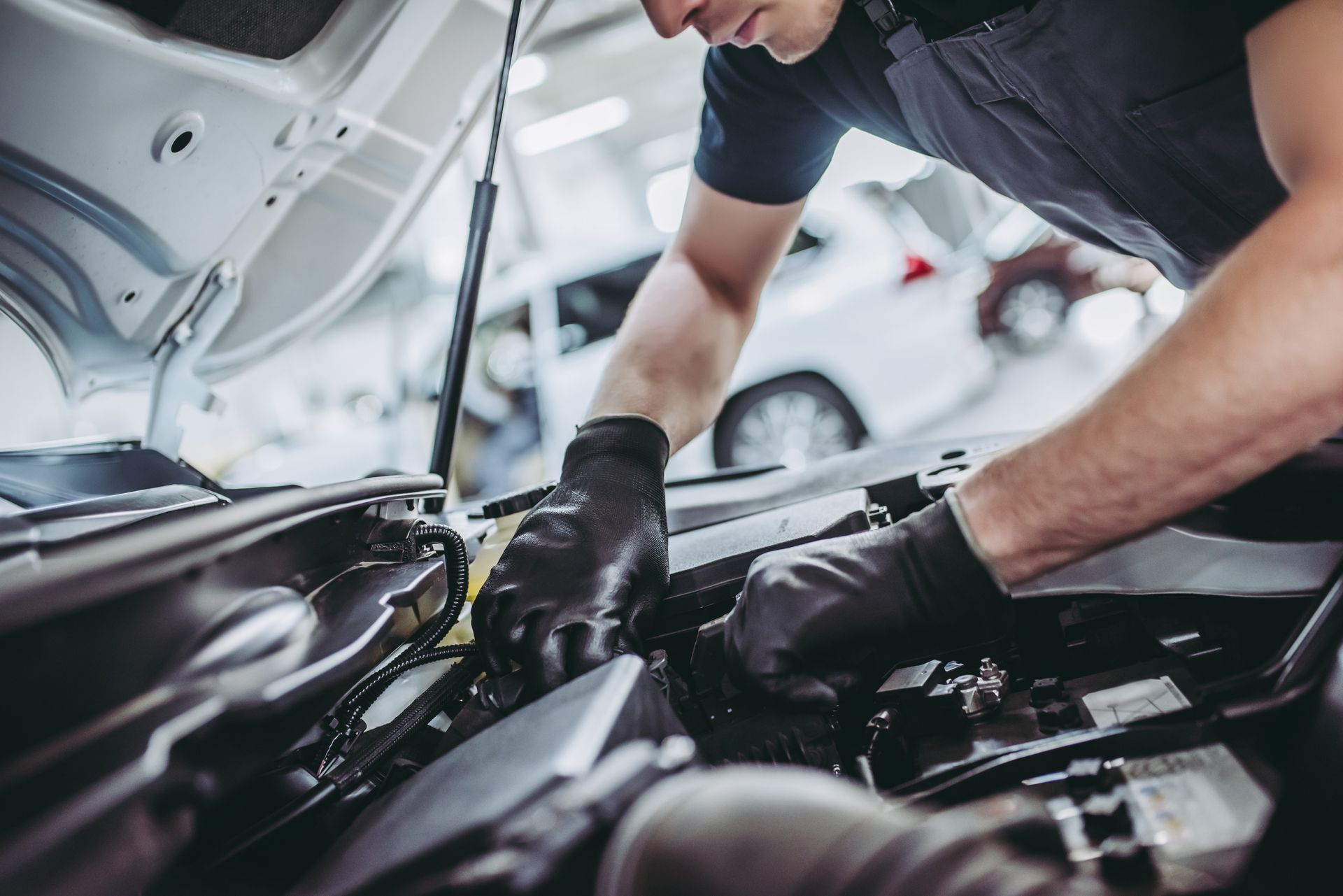
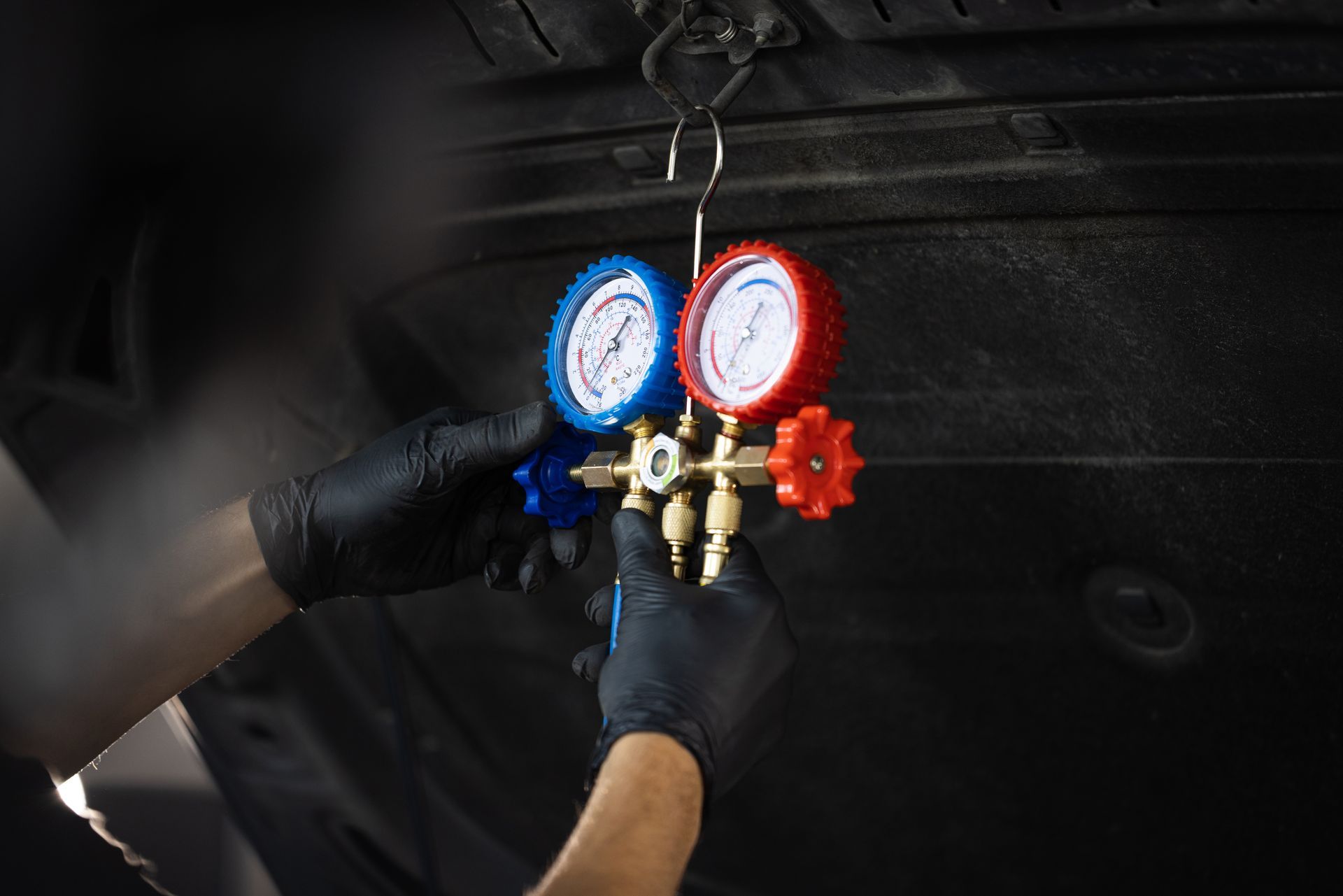
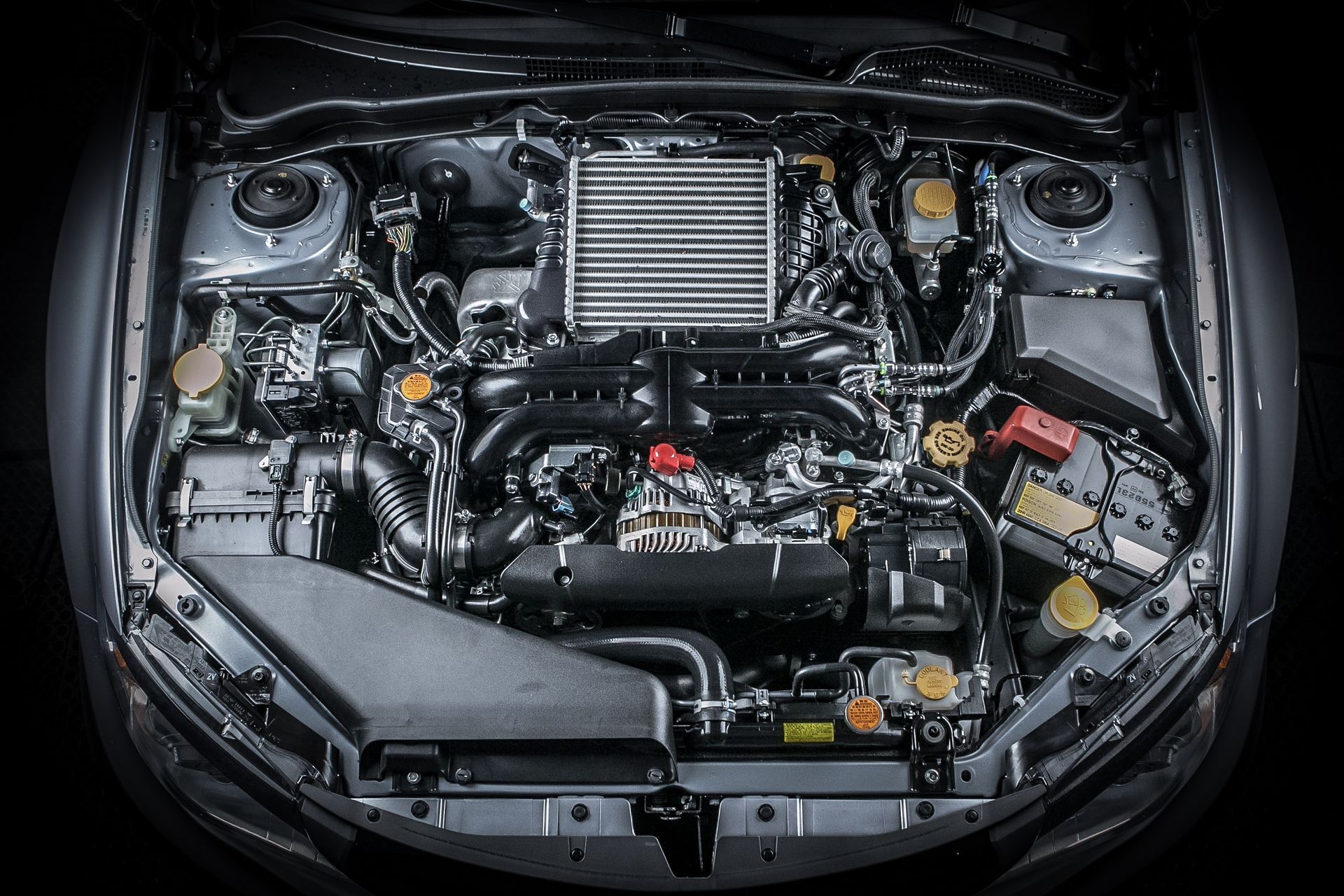
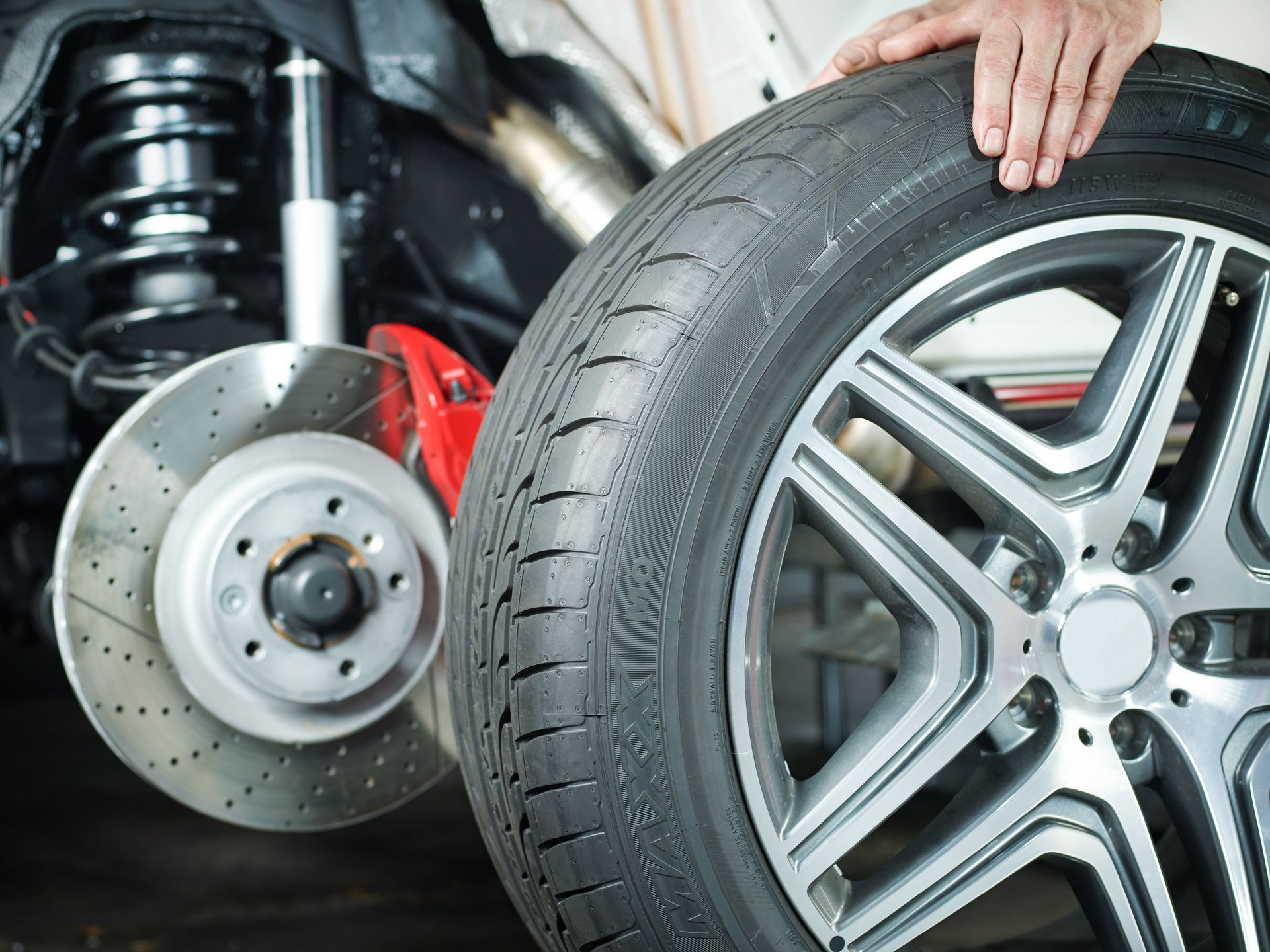
Keeping your vehicle in peak condition isn’t just about regular oil changes or tire rotations, it’s about understanding what’s happening under the hood. One of the most effective ways to stay ahead of potential issues is through a full diagnostic check. This process uses advanced tools to scan your car’s internal systems and detect hidden problems before they become major, costly repairs.
If you’re looking for dependable auto repair in Philadelphia, PA, being proactive is key. Modern vehicles are equipped with sophisticated onboard computers that generate warning indicators, often long before a visible problem arises. That subtle check engine light, unusual noise, or change in performance may be your car’s way of signaling that something’s wrong. Ignoring these early alerts can lead to more serious engine damage, higher repair costs, and even safety risks down the line.
By scheduling a full diagnostic service at the first sign of trouble, you not only safeguard your vehicle’s performance, you also protect your investment. Early intervention can catch problems while they’re still small and manageable, extending the lifespan of your car and giving you peace of mind every time you get behind the wheel.
Dashboard Indicators Shouldn’t Be Ignored
Unusual Warning Lights
One of the most immediate indicators that your vehicle needs attention is the appearance of dashboard warning lights. The check engine light, in particular, can signal anything from a loose gas cap to serious engine trouble. If the light is blinking or remains illuminated, it’s time to schedule a diagnostic check.
Performance Issues Are Red Flags
Engine Stalling or Misfiring
Experiencing engine stalls while idling or misfires when accelerating? These are not just minor hiccups, they’re warning signs that your vehicle may be suffering from deeper mechanical issues. In many cases, such symptoms are linked to faults in the ignition system, problems with the fuel injection process, or malfunctioning sensors that help regulate engine performance.
When your engine stalls at a stoplight or hesitates during acceleration, it could mean that your spark plugs are worn, your ignition coils are failing, or your fuel-air mixture isn’t being properly managed. Alternatively, it could be a faulty sensor, such as the mass airflow sensor, oxygen sensor, or throttle position sensor, sending inaccurate data to your engine’s computer, disrupting its ability to operate efficiently.
Pinpointing the exact cause can be difficult without the right tools. That’s where a professional diagnostic scan becomes essential. Using specialized equipment, technicians can quickly retrieve error codes and performance data from your vehicle’s onboard computer system. This allows them to accurately identify the source of the issue, recommend the right repairs, and prevent further damage.
Addressing these problems early not only improves drivability and fuel efficiency, it also helps avoid more expensive repairs down the road and keeps your vehicle safe and reliable.
Difficulty Starting the Engine
Is your car struggling to start, or not starting at all? This frustrating experience is often one of the first indicators of a problem within your vehicle’s electrical system. In many cases, the culprit is a failing battery, worn-out starter motor, or issues within the ignition system itself. While it might be tempting to assume a quick jump-start will solve the problem, recurring difficulties starting your car often signal a deeper issue that shouldn’t be ignored.
Batteries naturally degrade over time, especially in extreme weather conditions, and may no longer hold a charge. Corroded terminals, loose connections, or a malfunctioning alternator can also prevent the battery from delivering enough power to crank the engine. On the other hand, if the battery is in good condition, the issue may lie in the ignition system, such as faulty spark plugs, a damaged ignition switch, or a failing starter relay.
This is where a professional diagnostic check becomes invaluable. By running a detailed scan of your vehicle’s electrical and ignition systems, technicians can quickly isolate the root cause of the problem. Diagnostics go beyond guesswork, helping ensure the right repair is made the first time, saving you time, money, and unnecessary frustration.
Catching electrical issues early through diagnostics not only restores your vehicle’s reliability but also helps prevent more extensive failures that could leave you stranded at the worst possible moment.
Fuel and Exhaust Symptoms Demand Attention
Declining Fuel Efficiency
Have you noticed your vehicle’s fuel efficiency taking a hit? A sudden or gradual drop in miles per gallon can be more than just the result of driving habits or traffic conditions, it often points to underlying mechanical or electronic issues. When your car starts consuming more fuel than usual, it’s typically a sign that key engine components are no longer working as efficiently as they should.
Common culprits include dirty or clogged fuel injectors, which disrupt the precise delivery of fuel into the combustion chamber, leading to poor fuel-air mixture and inefficient combustion. Similarly, malfunctioning sensors, such as the oxygen sensor, mass airflow sensor, or engine coolant temperature sensor, can send inaccurate data to your vehicle’s onboard computer, causing it to adjust fuel delivery incorrectly. Additionally, air intake issues, like a blocked air filter or a leak in the intake system, can reduce engine performance and increase fuel consumption.
Rather than guessing, the most effective way to pinpoint the exact cause is with a professional diagnostic scan. This advanced tool reads data and error codes from your vehicle’s electronic control unit (ECU), allowing technicians to accurately identify the source of the problem. By diagnosing and addressing these issues early, you can restore optimal fuel economy, reduce emissions, and prevent more costly repairs in the future.
If you’re spending more at the pump without a clear reason, don’t wait, schedule a diagnostic check and get your vehicle back on track.
Exhaust Smoke and Strange Smells
Excessive smoke or unusual odors emanating from your vehicle, such as the distinct smell of burning oil or a sweet, syrupy scent often associated with coolant, can be early indicators of serious internal engine problems. These symptoms may suggest issues such as oil leaking onto hot engine components, a failing head gasket, or a coolant system breach that allows antifreeze to enter the combustion chamber.
Smoke may appear in different colors, blue smoke often signals oil burning due to worn piston rings or valve seals, while white smoke may indicate coolant is being burned, and black smoke usually points to an overly rich fuel mixture. Similarly, strange smells—like burnt oil, rubber, or coolant, can mean overheating, electrical shorts, or fluid leaks.
It is critical not to ignore these warning signs. Prompt inspection and diagnosis by a qualified mechanic can prevent further damage, potentially saving you from costly repairs and preserving the health and performance of your engine.
Unusual Noises and Vibrations Matter
Rough Idling or Shaking
If your engine vibrates excessively or idles roughly while stationary, there could be underlying issues such as worn spark plugs or failing engine mounts. Diagnostics can confirm the root cause.
Quick Checklist: When to Get a Diagnostic Check
Here’s a helpful list to guide your next decision:
- Dashboard warning lights are on
- Your engine stalls or misfires
- You notice declining fuel efficiency
- Trouble starting the car
- Rough idling or abnormal vibrations
- Smoke or unusual odors from the exhaust
Trust the Experts to Diagnose Your Vehicle
Timely diagnostics are essential for keeping your car in top condition. When warning signs arise, don’t wait until it’s too late. For trusted auto repair Philadelphia, PA, turn to the specialists at Schafer’s Auto Center. Our ASE-certified technicians use cutting-edge diagnostic tools to detect problems fast and fix them right.
Explore our complete auto care services from oil changes to engines.
What Drivers Want to Know
What is an engine diagnostic check?
An engine diagnostic check uses computerized tools to scan your car’s onboard systems. It helps identify issues with the engine, transmission, exhaust system, and other critical components.
How long does a diagnostic check take?
A typical diagnostic scan takes 30–60 minutes, depending on the complexity of the issue. Some problems may require additional testing or a follow-up inspection.
Can I drive with the check engine light on?
While your car may still run with the check engine light on, it’s risky. It could indicate serious issues that might lead to engine damage or safety hazards if not addressed quickly.
How often should I get a diagnostic check?
It’s a good idea to schedule a diagnostic scan if you’re experiencing unusual symptoms, at least once a year as preventive maintenance, or whenever a dashboard warning light appears.
Is a diagnostic check the same as a tune-up?
No. A diagnostic check identifies existing or potential problems, while a tune-up focuses on preventive maintenance like replacing spark plugs or filters to improve performance.